Structured cabling
Create reliable cable routes for fixed equipment and network access points.

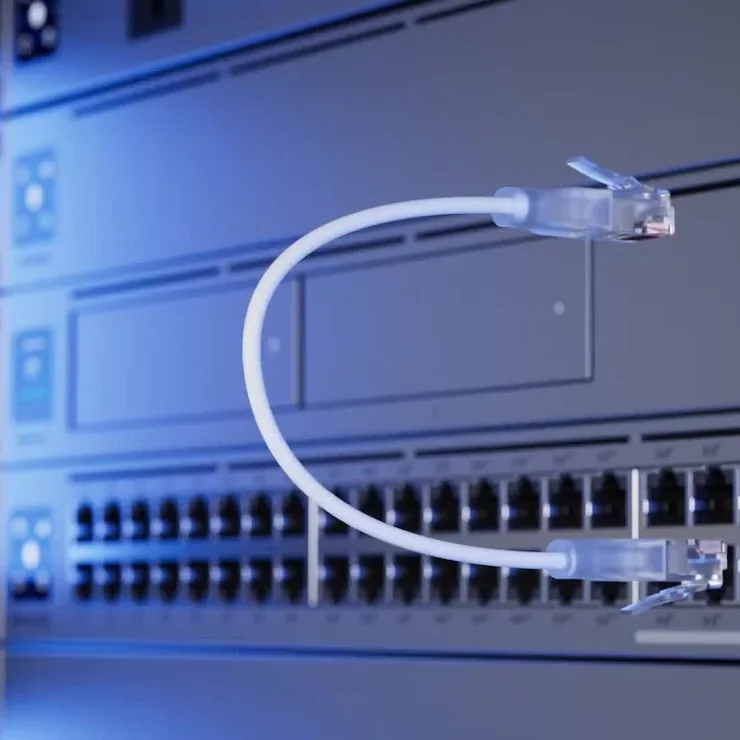
TLV designs wired and wireless networks for homes that depend on reliable connectivity across entertainment, automation, security and everyday devices.
Discuss your projectWi-Fi is no longer a convenience layer. It supports much of the technology throughout the home.
The goal is reliable coverage, strong infrastructure and a network designed for the size and construction of the property.
Create reliable cable routes for fixed equipment and network access points.
Use wired connections where they provide a practical, stable foundation.
Place multiple access points around construction materials and coverage needs.
Provide suitable power, ventilation, organization and service access.
Plan connectivity across floors, gathering areas and separate structures.
Extend the network to patios, pools or other outdoor areas where required.
TLV standardizes heavily around Ubiquiti UniFi so gateways, switching, Wi-Fi and management can be planned as one system.
The management foundation for a planned UniFi network.
Explore UniFi Cloud GatewaysWired connectivity and power for access points and fixed devices.
Explore UniFi SwitchingAccess points selected and placed for the property.
Explore UniFi Wi-FiAutomation, entertainment, surveillance and outdoor systems all depend on the network. TLV plans connectivity alongside those requirements.
Large homes and dense building materials can limit a single Wi-Fi source. Multiple planned access points help provide more consistent coverage.
Yes. Wired connections provide a strong backbone for access points and many fixed devices.
Yes. Outdoor coverage can be planned for patios, pools, docks and other areas when the property layout and infrastructure allow it.
Before walls and ceilings are closed, while cable routes and equipment locations can still be coordinated.
Yes. TLV begins by assessing the installed network, construction, coverage gaps and the systems that depend on it.
Start with the places the network needs to serve and the systems that depend on it.